
Blog
The impact of June weather on harvests: Managing risks and expectations
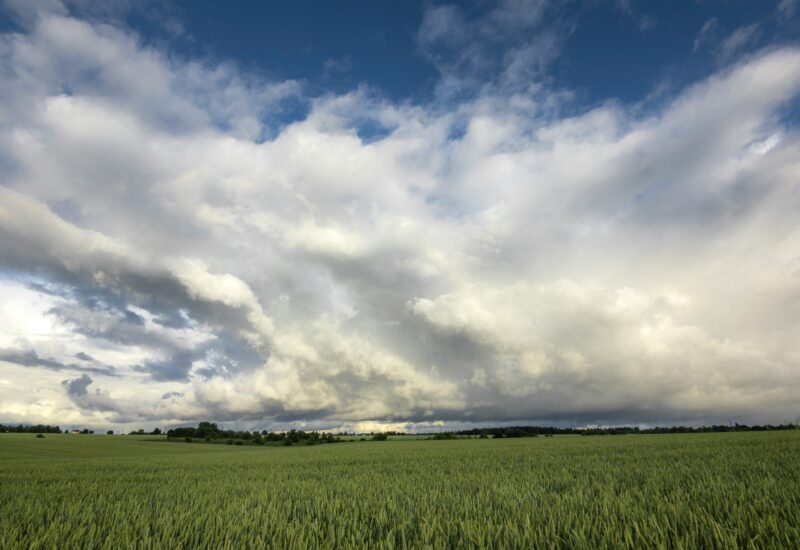
Picture this: You stand in the heartland of Western Canada, overlooking acres on acres of farmland stretching as far as the eye can see. While the sun beats down overhead and thunderclouds probe the horizon, an all-important question comes to mind: What are the chances of rain?
For farmers, weather isn’t just passing small talk, but a hot topic of conversation. Weighing the odds of moisture alongside the costs of crop nutrition can be a tough, especially when navigating an unpredictable climate and market conditions.
Here is what’s on the forecast this month to help Canadian growers set realistic expectations and manage risk when it comes to crop nutrition plans.
Adaptive strategies
What if it doesn’t rain? Or what if it does, but just not when you expected it? Our advice is to plan for both. Here are practices to weatherproof your crop nutrition strategy, come rain or shine!
- Diversify crops: Planting different crops with varying levels of moisture tolerance can help mitigate risks associated with unpredictable weather patterns. Crops like canola (which is also highly compatible with Bio-Sul Premium Plus) have shown resilience to drought conditions and can be integrated into crop rotations to enhance overall farm resilience.
- Utilize precision technology: Optimize nutrient application based on soil moisture levels and crop requirements. Crop moisture probes have quickly become a Canadian grower’s best friend (next to their local agronomist, of course).
- Incorporate slow-release soil amendments: Season-long nutrient availability is a must when deciding on crop nutrition options. Bio-Sul is a sulphur-containing product with variable particle sizes, working to offer both immediate and long-term nutrients. Even better, it offers flexible application timing to allow you to apply when it’s convenient!
Realistic expectations
Setting accurate targets is vital to managing the uncertainties of weather and its impact on harvest outcomes. While each operation is unique, there are a few steps for every farmer’s consideration:
- Analyze historical yield data: Review how crops performed under similar weather conditions to establish realistic growth goals.
- Assess crop health: Soil and plant tissue tests will help to identify potential nutrient deficiencies and address them proactively.
- Consider contingencies: Investing in a risk-management program, like crop insurance, can help reduce financial loss in the event of adverse weather.
While we can’t be sure what the weather will hold for the remainder of growing season, we are confident in the ability of Canadian farms to adapt and grow! Whether conditions have been challenging or the best to date, GFL Ag looks for solutions to meet farmers where they currently are. Contact your local GFL Ag Representative to learn more.